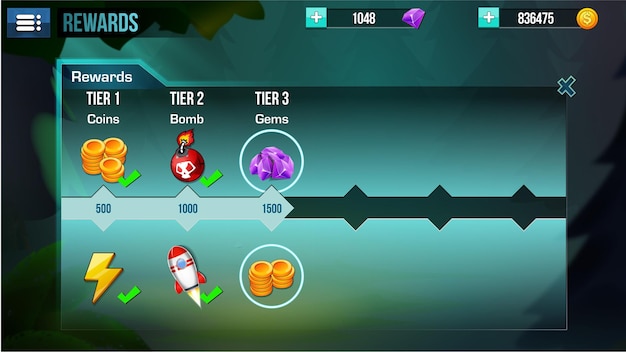
Design Progression That Feels Earned
When advancement feels meaningful and growth respects player time, engagement naturally follows.
Return HomeWhat This Service Delivers
Progression systems form the backbone of player engagement. When designed thoughtfully, they create a rhythm that keeps players interested without making advancement feel like a chore. Each level gained, skill unlocked, or ability acquired should represent genuine progress toward something players value.
You'll receive progression systems where advancement feels proportional to effort. Players won't grind through meaningless tasks or face walls that halt their enjoyment. Instead, they'll experience steady growth with moments of satisfaction when reaching meaningful milestones.
Your players will feel their time respected. Those with limited hours can make clear progress in short sessions. Those who invest more time discover depth without encountering artificial barriers. Both experiences feel valid and rewarding within the same system.
Understanding the Challenge
Many games struggle with progression pacing. Early levels pass quickly, creating initial excitement. Then the curve steepens dramatically, transforming what felt like enjoyable advancement into repetitive grinding. Players lose motivation when progress slows to a crawl.
There's also the complexity problem. Skill trees with dozens of branches can overwhelm rather than excite. Players face decision paralysis when confronted with too many options, especially when unclear about which choices actually matter for their play style.
Some progression systems front-load rewards, giving players everything interesting early on. Later advancement becomes about incremental stat increases that lack the satisfaction of meaningful unlocks. The emotional payoff diminishes even as players invest more time.
These issues stem from treating progression as a mathematical formula rather than an experience. Numbers balance on spreadsheets but fail to translate into engagement when players actually interact with the system.
Our Approach to Progression Design
We begin by understanding what progression means in your specific game. Different genres and play styles require different advancement structures. A quick arcade game needs different pacing than a long-form strategy experience. We tailor systems to fit your game's rhythm and player expectations.
Our progression curves maintain consistent momentum. We avoid the trap of explosive early growth followed by glacial later advancement. Instead, we design systems where the time investment for meaningful progress remains relatively stable, with carefully placed milestone rewards that punctuate longer journeys.
When implementing complexity through skill trees or unlock systems, we ensure choices feel manageable and consequences clear. Players should understand what they're getting and why it might suit their approach. We avoid trap options that seem interesting but prove ineffective, and we design systems that support experimentation without severe penalties.
Throughout development, we test how progression feels across different time investments. A system that works for hour-long sessions might break during five-minute play periods. We adjust pacing until progression satisfies both casual engagement and extended play.
The Development Journey
We start by discussing how progression fits into your broader game vision. What should players feel when they advance? Which types of rewards matter most? Should progression emphasize breadth of options or depth of mastery? These conversations establish the foundation for system design.
Initial design work focuses on the overall progression curve and major milestones. We map out how advancement should feel at different stages of play, identifying where players need motivation boosts and where they can handle longer advancement periods.
As we implement systems, you'll see how progression actually plays. We don't just present numbers and graphs—you'll experience the pacing firsthand. This hands-on testing reveals what works and what needs adjustment before systems solidify.
Refinement continues based on both your feedback and observed play patterns. We adjust unlock timing, rebalance rewards, and fine-tune the overall curve until progression maintains engagement throughout the player journey.
Investment and Value
This investment covers comprehensive progression system design from concept through implementation. You receive both the technical infrastructure and the thoughtful pacing that transforms advancement from a feature into an experience.
Practically, you're getting progression systems that function reliably across different play patterns. Players will have clear paths forward, meaningful choices, and rewards that maintain motivation. Your game will respect player time while still providing reasons to continue engaging.
On a deeper level, well-designed progression removes a significant source of player frustration. When advancement feels fair and rewarding, players attribute success to their own efforts rather than arbitrary game design. This shifts the entire relationship between player and game toward something more positive.
What's Included
- Complete progression curve design tailored to your game
- Leveling systems with appropriate pacing across all stages
- Unlock systems that provide meaningful choices
- Skill tree architecture with clear paths and viable options
- Reward structures that maintain motivation over time
- Milestone design that creates memorable advancement moments
- Pacing adjustments for different session lengths
- Documentation of progression logic and design rationale
Measuring Effectiveness
Progression systems reveal their quality through player behavior. When players continue advancing without complaint about grinding, when they engage with unlock systems rather than ignoring them, when they express satisfaction at reaching milestones—these signals indicate effective design.
During development, we monitor how progression feels at different points. We identify where motivation might falter and where players need additional rewards. This ongoing assessment allows us to refine systems before they reach final implementation.
Development of progression systems typically spans four to six weeks, depending on complexity. Simple leveling curves require less time than elaborate skill tree architectures. We establish a timeline early so you'll know what to expect throughout the process.
We focus on creating systems that function as designed rather than promising specific player retention metrics. Your progression system will advance players appropriately, offer meaningful choices, and maintain engagement through thoughtful pacing. These qualities create the foundation for positive player experiences.
Standing Behind Our Work
If progression systems don't function as intended or pacing creates problems we discussed avoiding, we address these issues. This commitment extends through development and includes reasonable adjustments after delivery to ensure systems work as planned.
Your satisfaction reflects on our design quality. When progression feels off or players encounter issues we should have anticipated, we want to know. Direct communication about problems helps us resolve them efficiently.
We offer an initial consultation where we discuss your progression needs without obligation. This conversation helps both of us understand whether our approach matches your expectations and whether we're suitable for your project. You'll gain clarity about progression design regardless of whether we work together.
Take whatever time you need to consider whether this service fits your project. When you're ready to discuss progression design, we'll be available to explore how we might work together.
How to Begin
Starting with progression design means first understanding what advancement should feel like in your game. We'll discuss your vision for player growth, which types of progression systems interest you, and how advancement fits into the broader player experience.
Following our initial conversation, we'll create a design proposal specific to your needs. This proposal outlines the progression structure, key milestones, and how we'll approach pacing across different play durations. You'll see our thinking before committing to development.
Once development begins, you'll receive regular updates showing how progression systems are taking shape. These updates include opportunities to test the systems yourself, providing feedback that shapes the final implementation.
The Path Forward
- 1. Contact us to schedule an initial discussion about your progression needs
- 2. We'll explore your vision and determine if our approach aligns with your goals
- 3. If we're a good match, we'll develop a detailed design proposal
- 4. Development proceeds with regular testing and refinement opportunities
Ready to Design Meaningful Progression?
Let's discuss how thoughtful progression design can enhance player engagement in your game.
Start the ConversationExplore Our Other Services
Each service addresses specific aspects of game development with careful attention to player experience.

Empire Building Games
Developing expansion experiences where growth feels earned and strategic decisions shape lasting outcomes. Systems designed for engaging long-term play.
Learn More →
Exhibition & Event Support
Preparing your game for professional presentation at conferences and exhibitions with technical polish and showcase materials.
Learn More →